Key Strategies for Caring for Your Engines & Gearboxes for Durability
Preserving engines and gearboxes is vital for guaranteeing their longevity and optimal performance. Regular maintenance practices can prevent costly repairs and improve reliability. Understanding the importance of inspections, fluid changes, and proper tools is vital for every vehicle owner. However, many ignore key elements that contribute to a properly operating engine and gearbox system. What specific steps can one take to maintain these components remain in prime condition? The answers may surprise you.
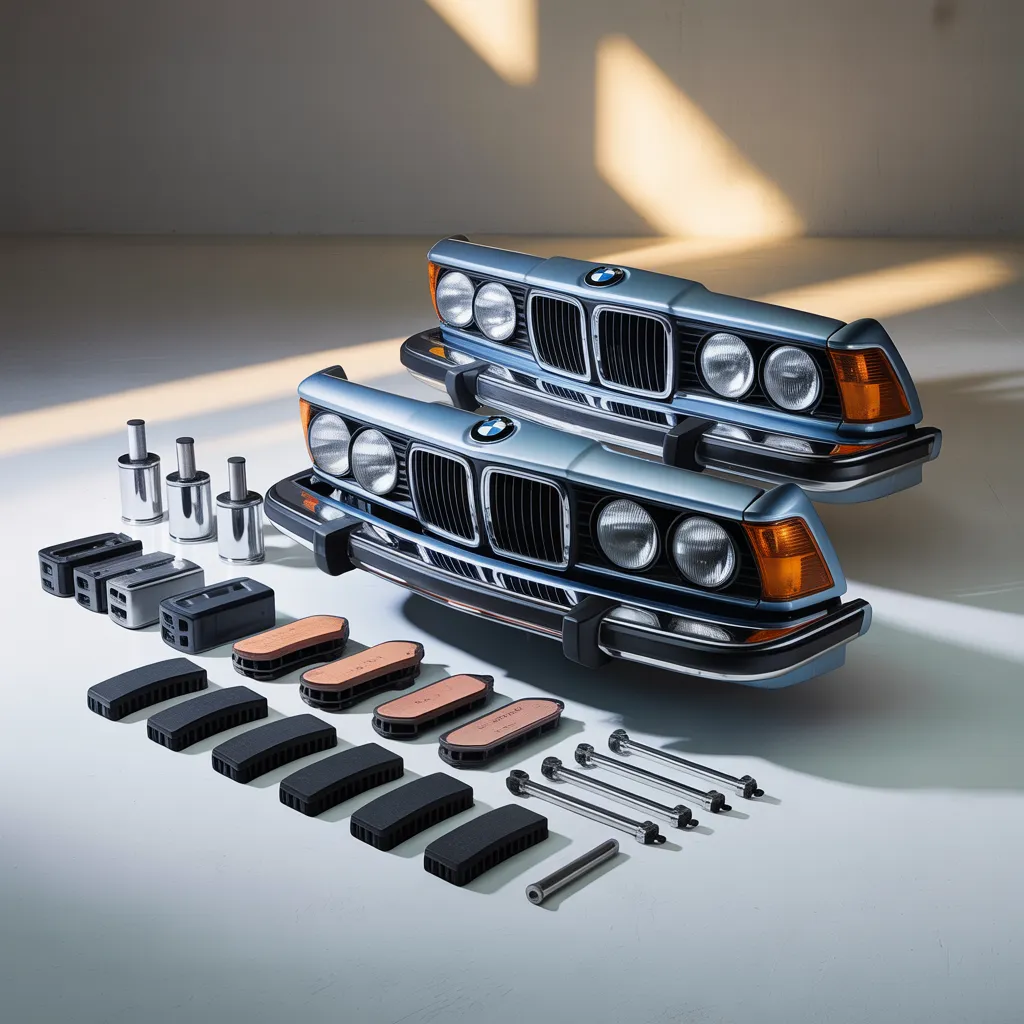
Why Regular Maintenance Keeps Your Engine Running Smoothly
Consistent maintenance is critical for confirming that an engine functions smoothly and consistently. This practice entails a series of structured checks and services that assist in detecting potential issues before they intensify. Routine tasks for example oil changes, filter replacements, and fluid checks are vital in minimizing wear and tear. Disregarding these can bring about lowered performance, elevated fuel consumption, and ultimately, costly repairs.
Furthermore, regular maintenance enhances engine longevity by verifying that all components function harmoniously. Clean fuel injectors and well-lubricated parts reduce friction, enhancing overall performance. Moreover, periodic inspections can spot signs of corrosion or leaks early on, allowing for timely intervention. By adhering to a maintenance schedule, vehicle owners can guarantee their engines remain in prime condition, thereby promoting safety and reliability on the road. In essence, regular maintenance is a proactive approach that protects the engine's health and performance.
Essential Tools for Maintaining Your Engine and Gearbox
Having a complete toolbox is crucial for individuals aiming to maintain their gearbox and engine properly. Key tools include a socket set, which supplies the required versatility for tightening and loosening bolts. A torque wrench is essential for delivering the appropriate tension, avoiding damage during reassembly. Moreover, an oil filter wrench aids in oil changes, providing efficient maintenance.
A multimeter can assist in diagnosing electrical issues, while a set of screwdrivers—both Phillips and flathead—handles different fastening requirements. Pliers and adjustable wrenches are equally essential for gripping and rotating parts.
In addition, possessing a fluid transfer pump simplifies fluid changes, and a magnetic tray can hold small parts arranged during repairs. Additionally, a quality mechanic's creeper permits comfortable access beneath vehicles. Outfitting a toolbox with these essential tools will streamline maintenance tasks, eventually supporting the longevity of the engine and gearbox.
Step-by-Step Manual for Successful Routine Inspections
Sustaining peak engine and gearbox performance necessitates more than just the right tools; it also includes conducting regular inspections. A structured approach can assist in recognizing potential issues before they escalate.
To begin, examine fluid levels, confirming oil as well as coolant are at correct levels. Inspect for leaks near seals and gaskets. Next, examine belts and hoses for signs of wear or fraying. Fasten any loose connections to avoid mechanical failures.
Next, listen for unusual audio signals during operation, which may indicate underlying difficulties. Check temperature gauges and warning lights for abnormalities.
In addition, inspect the air filters and substitute them if needed to ensure peak airflow. Lastly, document all findings and actions taken to establish a maintenance history. Periodic inspections facilitate timely detection of concerns, guaranteeing engines and gearboxes run smoothly and extending their longevity.
Guidelines for Maintaining Motor and Transmission Clean
Keeping the engine and gearbox clean is crucial for maximum performance and longevity. Regular cleaning aids in prevent the buildup of dirt, grease, and grime that can hinder functionality. To ensure cleanliness, one effective strategy is to schedule periodic inspections. During these examinations, any accumulated debris can be quickly removed.
Appropriate cleaning agents are essential. Biodegradable, non-corrosive cleaners are advised to ensure sensitive parts remain undamaged. A gentle cloth or brush can explanation be employed to scrub regions without damaging the finish. Furthermore, maintaining clean air filters will boost airflow, reducing contaminants entering the engine and gearbox.
Additionally, it is wise to check and preserve the integrity of seals and gaskets. Worn seals can let dirt to penetrate, compromising cleanliness. Lastly, maintaining the immediate vicinity organized can minimize the risk of dirt and dust migrating into the engine and gearbox during maintenance tasks.
Top Recommendations for Changing Fluids and Fluid Levels
Regular maintenance of engine and transmission fluids is critical for superior performance. Routine inspection of fluid levels and compliance with recommended service intervals can prevent costly damage and increase component longevity. Following these recommended procedures ensures dependable performance and minimizes the likelihood of expensive repairs.
Optimal Oil Replacement Intervals
While several vehicle drivers grasp the importance of fluid changes, recognizing the ideal intervals for these changes can significantly improve engine and gearbox performance. Manufacturers generally recommend certain intervals determined by mileage or time, typically ranging from 3,000 to 10,000 miles for engine oil, based on the type of oil used. Gearbox fluids might require changes every 30,000-60,000 miles, depending on driving conditions. Adhering to these guidelines provides peak lubrication, lessens wear, and mitigates overheating. Furthermore, extreme conditions for example towing or frequent short trips can necessitate more frequent changes. Regularly referencing the owner's manual is crucial for specific recommendations, confirming the vehicle operates efficiently and increasing the life of its engine and gearbox.
Checking Automotive Fluid Conditions Periodically
Regularly checking fluid levels is crucial for preserving optimal engine and gearbox performance. This practice aids in detecting potential issues before they evolve into costly repairs. Fluid levels in the engine oil, transmission fluid, coolant, and differential fluid must be monitored regularly. A dipstick or sight glass can provide rapid insights into current levels, while a detailed inspection can reveal leaks or contamination. It is advisable to consult the vehicle's manual for specified frequency and specific fluid types. Additionally, using high-quality fluids that meet manufacturer specifications ensures superior function. Ongoing fluid checks not only increase performance but also extend the lifespan of engines and gearboxes, thereby ensuring greater reliability and efficiency in operations.
First Warning Signs of Wear and Tear to Keep an Eye On
Initial indicators of wear and tear in engines and gearboxes can show up in multiple ways. Operators should watch for unusual noises during operation, which may signal underlying issues. Additionally, fluid leaks and overheating during normal use are essential markers that maintenance is needed.
Abnormal Sounds While in Use
What might these unusual noises reveal about your engine or gearbox condition? Uncommon sounds, including grinding, knocking, or whining, frequently act as preliminary indicators of possible problems. A grinding noise may suggest worn gears or bearings, while knocking could indicate internal damage or insufficient lubrication. Whining noises could indicate issues with the transmission or belt-driven parts. Additionally, a rattling noise might reveal loose parts or mounting issues. Neglecting these sounds might expedite wear and bring about substantial repair costs. Consistent observation of operational noises is crucial; identifying these signs promptly can enable swift action, guaranteeing optimal performance and extended life of the engine and gearbox. Awareness is key to effective maintenance and problem prevention.
Fluid Leaks Underneath Vehicle
What approaches help spot potential troubles before they intensify? Liquid seepage under a car functions as an initial warning of probable component degradation. A driver should routinely check the ground where the vehicle is parked for any unusual stains or puddles. Typical liquids to watch for encompass motor oil, gearbox fluid, antifreeze, and brake liquid, all displaying unique hues and consistencies. To illustrate, motor oil commonly appears brown or black in color, whereas antifreeze exhibits green or orange hues. Locating the origin of such seepage may avert more substantial motor or transmission harm. Consistent checks of tubes and sealing components likewise aid in identifying deterioration prior to leakage, maintaining efficient automobile operation and increasing longevity. Quick action remains vital once leaks are identified.
Excessive Heat During Regular Operation
Normal use overheating may indicate underlying problems requiring prompt attention. This condition may indicate a failing thermostat, inadequate coolant levels, or a malfunctioning water pump. Initial indicators of deterioration frequently appear as irregular temperature variations and strange motor sounds. Vehicle owners should likewise check for steam coming from the engine area or alert lights triggering on the instrument panel. Ignoring these symptoms can lead to severe engine damage, including warped cylinder heads or blown gaskets. Regular inspections and prompt repairs are crucial to prevent overheating and guarantee peak performance. Preserving correct liquid levels and swapping damaged elements can substantially increase the longevity of engines and gearboxes, fostering extended life and trustworthiness.
When to Reach Out to a Mechanic for Engine and Gearbox Troubles?
Identifying the right time to consult a mechanic for engine and gearbox issues can often be perplexing for vehicle owners. Recognizing early warning signs is essential. If the engine exhibits unusual noises, such as knocking or grinding, or if there's a noticeable reduction in performance, these may signal underlying issues. Furthermore, persistent warning lights on the dashboard should never be ignored, as they often indicate critical issues requiring professional attention.
Leaking fluids, particularly oil or transmission fluid, demand immediate attention, as they could cause severe damage if left unaddressed. In addition, if the gearbox shows signs of slipping, harsh shifting, or unusual vibrations, it's recommended to seek expert assistance immediately. Regular maintenance is essential, but knowing when to consult a mechanic can avoid costly repairs and lengthen the service life of the vehicle. Quick response guarantees that minor issues do not escalate into major, expensive repairs.
Questions & Answers
How Frequently Should I Inspect My Engine and Gearbox Fluids?
Engine and gearbox fluids should be reviewed on a regular basis, preferably every month or ahead of long trips. This secures peak performance and helps detect potential issues early, enhancing the longevity and efficiency of the vehicle's components.
Is It Possible to Do Maintenance Myself, or Should I Employ a Professional?
Someone can undertake basic maintenance on their own if skilled, but hiring a professional ensures expertise and minimizes risk. Ultimately, the decision depends on one's confidence, skills, and the complexity of the maintenance tasks needed.
What Are the Indicators of a Faulty Gearbox?
Indicators of a failing gearbox involve unusual noises, difficulty shifting gears, fluid leaks, burning odors, and vibrations. These symptoms often point to internal damage, necessitating immediate attention to avoid further complications and potential vehicle failure.
What Impact Does Temperature Have on Engine and Gearbox Performance?
Temperature significantly affects engine and gearbox performance. Increased thermal conditions can result in overheating, causing lower operational capacity and potential damage, while cooler conditions may produce increased viscosity in lubricants, restricting optimal performance and responsiveness.
What Specific Maintenance Tips Apply to Older Engines and Gearboxes?
Regular oil changes, regular inspections for leaks, and swift replacement of worn parts are crucial for older engines and gearboxes. Furthermore, maintaining appropriate fluid levels and avoiding extreme temperatures can substantially improve performance and longevity.
Comments on “Top BMW 318i Models Right Now”